
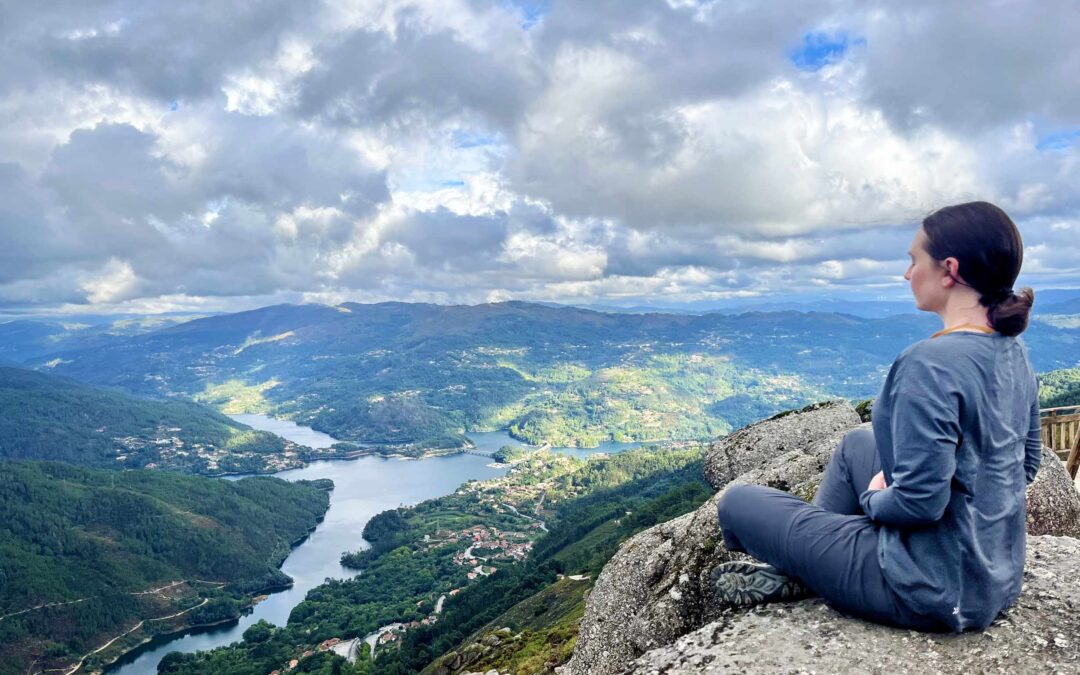
Ten years ago, I was stressed and not sleeping well. A colleague of mine suggested meditation. I started with 10 minutes of breathing in the morning and another 10 at night. I was surprised at how much this small practice calmed me and helped me fall asleep.
Years later, however, after a back injury, meditation became an even more meaningful part of my life.
When My Usual Coping Methods Stopped Working
My injury occurred during a time of high stress and uncertainty. These factors marked a turning point for me.
Before my injury, I had my own ways to handle stress. I controlled my diet, exercised a lot, and focused heavily on work. From the outside, these habits seemed healthy and productive.
But underneath, they didn’t address the root of my stress.
When my injury prevented me from exercising, I tried to cope by pouring energy into work and pushing through. Eventually, this led to burnout.
During this time, I dove deeper into meditation. I wanted to manage my physical pain and uncertainty.
I also sought a new way to cope with my challenges.
Meditation helped me calm my mind. I became more aware of my thoughts and emotions. Understanding the patterns behind my relationship with work, food, and exercise allowed me to let go and create new patterns aligned with my true values.
I also learned to have compassion for my own challenges and for others. I discovered a source of calm within me that didn’t rely on controlling everything outside (what a relief!).
Meditation and mindfulness have given me more energy, clarity, and ease in life. Now, I aim to help others find the same through coaching.
What Mindfulness Has Taught Me About Change
This experience changed how I view health and behavior change. I see our mind, body, work, and relationships as deeply connected. Our physical actions matter, but so do the thoughts and emotions that shape our lives.
Change rarely goes as planned. Barriers pop up. We might feel discouraged or self-critical. In those moments, it’s easy to slip back into old patterns.
Mindfulness helps us create space between what we feel and how we want to respond.
It brings clarity during confusing times, helps us find meaning in tough experiences, and reconnects us with what matters most.
That’s why mindfulness is key in my health and lifestyle coaching.
Four Simple Ways to Explore Mindfulness
There are many ways to start practicing mindfulness. Here are a few!
1. Try a Short Breathing Meditation
Use your breath as an anchor. It doesn’t take long—even a few minutes can help you pause, notice your feelings, and reconnect with the moment.
2. Practice Single-Tasking
Instead of multitasking, focus fully on one activity. You can do this while eating, cooking, talking, working, or walking.
In a world filled with distractions, single-tasking helps improve concentration and brings clarity to your day.
3. Practice Mindful Eating
Take a break from screens during meals. Tune into your body and mind.
Since eating is a regular part of our lives, it’s a great chance to be mindful of how we feel, as well as our hunger and fullness signals.
4. Practice Gratitude
Take a moment to notice and write down what you appreciate in your life or what others have done for you.
You can do this alone or share it with a friend or loved one—maybe by sending each other messages about what you’re grateful for.
Living From Inside Out
In our fast-paced world, taking a moment to pause can be daunting. Yet, as we journey inward, the path ahead becomes clearer. What’s more meaningful than understanding our inner selves? This exploration opens doors to building a life full of meaning and purpose. Embrace the challenge, and take a step towards living your life from the inside out.